
If you frequent the OpenCRM insights articles, you may have recently seen our tips on succeeding in B2B sales. It’s a challenging discipline—arguably more complex than B2C, but with the right approach, success is achievable.

One of the most important elements in sales success is assessing customer needs in B2B sales. Understanding your prospects’ needs. In this article, we take a deeper look at practical ways to do just that and strengthen the relationships you build along the way.
After all, a strong sales strategy focuses on gaining customers, not just closing deals.
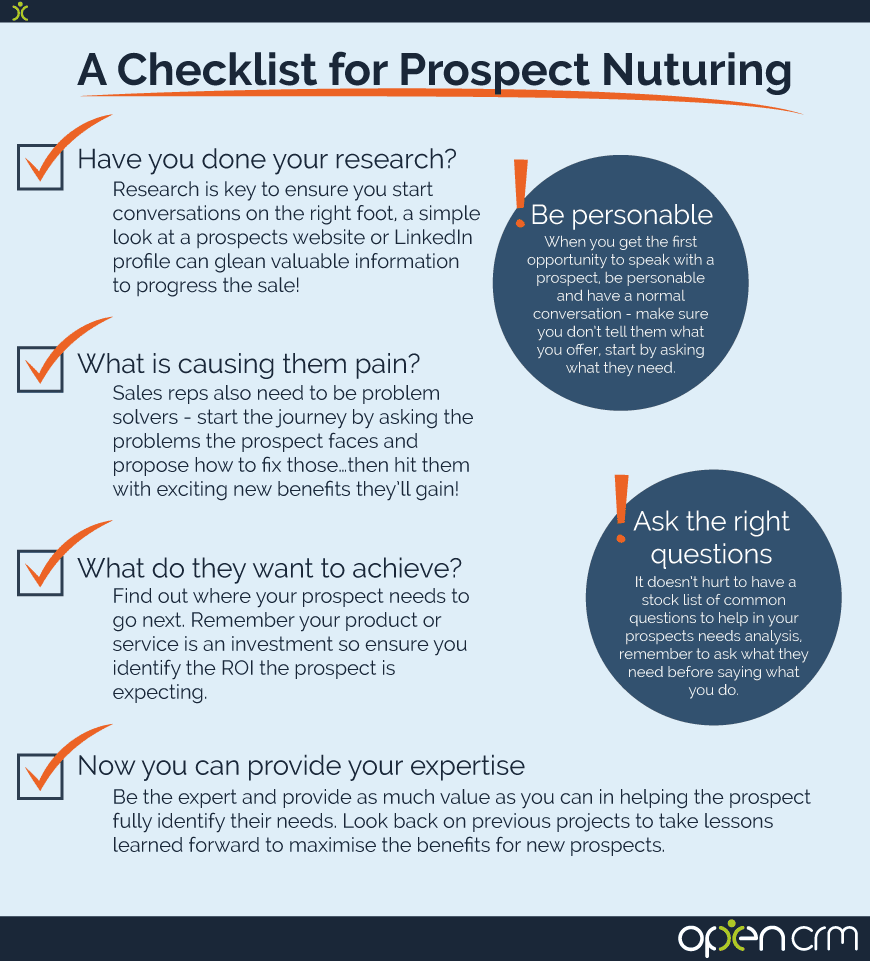
- Do the groundwork first – Understanding your prospect’s business and environment makes every conversation more relevant.
- Be human, not transactional – Strong relationships are built through genuine, two-way conversations.
- Focus on real problems – Most buying decisions are driven by pain, not just opportunity.
- Align with their goals – Identify what success looks like for the prospect and position around that.
- Ask before you tell – The quality of your questions determines the quality of your insight.
- Use your expertise – Guide prospects where needed and add value beyond simply responding.
1. Do Your Research
Every prospect’s needs are shaped by their context—their industry, location, size, and operating environment.
Getting ahead means taking time to understand their world:
- Review their website (especially About and News/Blog sections)
- Explore industry trends and market developments
- Look into the company background and structure, where possible
- Use your CRM system’s activities to record and share these findings
This preparation allows you to guide conversations more effectively. Prospects will quickly sense that you understand their business, which builds immediate credibility.
2. Be Personable
“People buy people” remains one of the most accurate observations in sales.
While tools and systems are important, your ability to hold a genuine, human conversation is often what sets you apart. Prospects don’t always want to deal with automated responses or faceless channels—they want to speak to someone who listens and understands.
Strong relationships begin with empathy:
- Listen actively
- Understand the challenges they face
- Avoid jumping straight into a pitch
Too many salespeople tell instead of ask. Always start with understanding what the prospect actually needs.
3. Take the Pain Away
Many assume prospects are buying to grow or expand. In reality, most are driven by existing problems.
Business “pain” is almost always the trigger. Common examples include:
- Growth creates operational strain and loss of visibility
- Over-reliance on spreadsheets and email is causing communication issues
- Poor data control leading to ineffective decision-making
It’s tempting to lead with exciting new opportunities, but the priority is solving existing problems first.
Think of it this way: offering new opportunities without fixing the underlying issue is like giving someone running shoes when they have a broken leg.
4. Make Their Goals Your Goals
B2B purchases are investments, and every investment has an expected return.
Your role is to identify and align with those expectations. Some goals are clear and measurable:
- Increasing new business revenue
- Improving conversion rates
Others are less tangible:
- Becoming more organised
- Improving internal communication
Regardless of how defined they are, understanding these goals is essential. When you reflect them back to the prospect, you reinforce the value you bring.
5. Ask the Right Questions
Everything discussed so far depends on one core skill: asking the right questions.
Good questioning helps you:
- Build rapport
- Uncover pain points
- Understand objectives and outcomes
A strong sales process always starts with understanding the current situation. Examples of effective questions:
- “Can you tell me a bit about your business and what you do?”
- “Are you currently using any systems or providers in this area?”
- “What are your objectives in adopting a new solution?”
If you’re unsure what to ask, think from the prospect’s perspective. Why are they looking for change? That’s where your questions should focus.
6. Provide Expertise
Not every prospect fully understands what they need—and that’s where your expertise comes in.
Your role is not just to respond, but to guide. This might involve:
- Suggesting alternative approaches
- Reframing their challenges
- Sharing examples of what has worked for similar businesses
The key is to do this constructively and professionally, without undermining the prospect. When done well, this positions you as a trusted advisor rather than just a supplier.
“To deliver value to your prospect, you must see yourself as the primary source of value.”
Ultimately, your knowledge and experience should be a core part of what you offer.
Final Thoughts
Understanding your prospect’s needs isn’t a single step—it’s a structured approach:
- Research their world
- Build genuine relationships
- Identify real problems
- Align with meaningful goals
- Ask better questions
- Apply your expertise
Get this right, and you move beyond simply selling—you start building long-term customer relationships. If you want to learn more about what CRM is, take a look here.

Ready to understand your prospects better?
See how OpenCRM can help you research, track and act on every prospect’s needs.
Start your free trial