
Your business doesn’t need more technology; it needs the right technology working harder for you. Many UK business owners feel buried under a mountain of complex apps and disconnected spreadsheets, yet they still struggle to get a clear picture of their customers. It’s a common paradox where more software leads to less clarity and rising concerns over UK GDPR compliance.
Finding the right Enterprise CRM for Small Business is about stripping away that unnecessary complexity. We believe that a centralised customer database should be a source of calm, providing a single point of truth for every interaction without the bloat of global software giants.
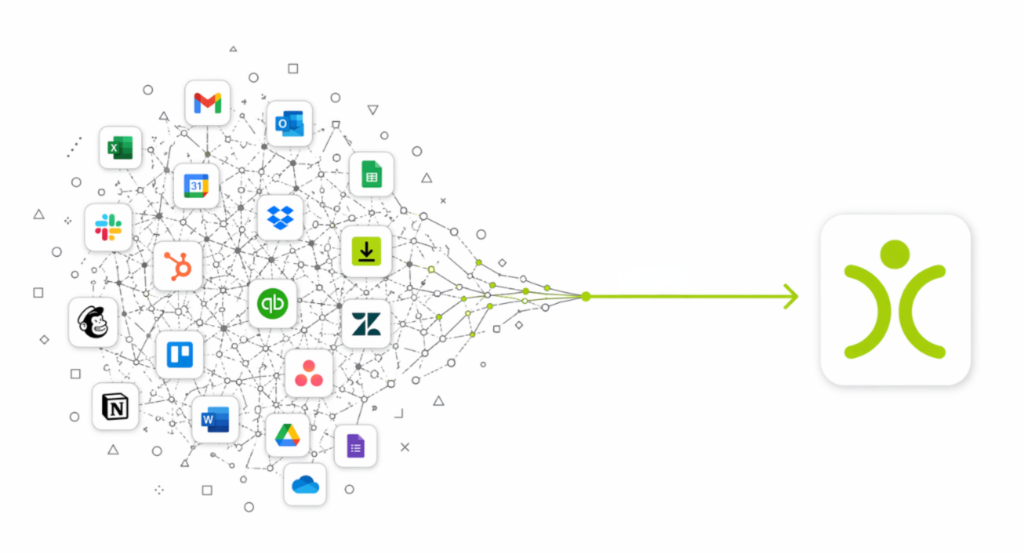
- A centralised customer database acts as a single source of truth, eliminating fragmented spreadsheets and data silos.
- An Enterprise CRM uses automated workflows to handle repetitive tasks, freeing your team for meaningful customer interactions.
- Seamless integrations with Xero, Sage, and Microsoft 365 create a cohesive ecosystem for your daily operations.
- A clear five-step transition plan moves you from manual processes to professional software, with expert UK-based support.
- Gain peace of mind on data security and UK GDPR compliance by choosing a platform that prioritises local data residency.
What is a Centralised Customer Database for UK Small Businesses?
At its core, a centralised customer database is the single source of truth for your entire organisation. It replaces the chaos of scattered spreadsheets and sticky notes with a unified system where every phone call, email, and meeting is recorded in one place. This foundational approach to CRM ensures that no matter who speaks to a client, the conversation starts with a full understanding of their history.
Cut through software clutter and create a single, clear view of your customers with a CRM built for UK small businesses.
The “Enterprise” Difference: More Than Just a Contact List
A standard contact list tells you who a person is; an enterprise-grade system tells you what they need and how you’ve helped them. It goes beyond names and numbers to track ongoing projects, support tickets, and product choices — avoiding data silos where information gets trapped in one person’s inbox.
Why UK Businesses Care Where Their Data is Kept
For a UK business, knowing exactly where your data lives provides real reassurance. Many global software giants store your information across jurisdictions; prioritising UK data centres ensures your records stay close to home, simplifying GDPR compliance significantly.
Enterprise CRM Features That Drive Small Business Efficiency
Efficiency in a small team is often the difference between simply treading water and actually moving forward. An Enterprise CRM gives you automated workflows that handle the repetitive admin that usually eats into your afternoon — sending follow-up reminders or updating records without you needing to lift a finger.
By centralising every interaction, sales management becomes a matter of clear insight rather than guesswork. You can forecast with accuracy because you’re looking at real-time data, not an outdated spreadsheet from last month.
Making Your Tools Work Together
With seamless integrations for tools like Xero, Sage, and Microsoft 365, your accounting and customer data can finally talk to each other. This connectivity ensures that when a credit limit changes, your sales team sees it immediately — preventing frustrating double-entry of data amongst busy staff.
Activity and Project Management in One Place
Reliability is built on the small details. Robust activity management ensures that no customer follow-up is ever missed, as every task is linked directly to a client record. When project delivery is tied to the same centralised database, your team can see exactly what was promised during the sales process.

How To Move To A Single System Without The Headache
Moving away from manual systems can feel like a daunting leap, but it’s actually a series of small, manageable steps. One of the most reassuring aspects of this move is the ability to scale sustainably — with per-user pricing, you can start with exactly what you need today and grow your CRM as your business grows.
Get people involved early, and they’re far more likely to use it long term. When people understand how a system reduces their personal admin burden, they’re much more likely to embrace the change.
Step-by-Step Transition from Spreadsheets
The journey from fragmented spreadsheets to a professional system begins with a clear audit. Before moving any data, take the time to clean your existing records by removing duplicates and outdated contacts. Once your data is tidy, you can map your current business processes to the new software — ensuring the technology supports your team rather than forcing them to change how they work.
The Importance of a Local Partner
Having a UK-based team to call makes the implementation process feel significantly more secure. If you hit a snag during migration or need advice on a specific workflow, speaking with a real person who is in your time zone provides immense peace of mind.
The Benefits of an Online Onboarding Portal
All our projects are managed through a dedicated onboarding portal. It’s where you can see the timeline, track progress, and speak directly with your project manager — building confidence in the short term and trust for the future.
Build a Foundation for Sustainable Growth
Scaling a business doesn’t have to mean adding layers of complexity that slow your team down. By moving to a CRM, you’re choosing a path of clarity and efficiency — automating your admin, securing your data within UK-based data centres, and providing a single source of truth that everyone can rely on.
We take pride in being a partner you can trust. With no long-term contracts and dedicated UK-based support, we’re here to ensure your transition is a success.
Frequently Asked Questions
What are the benefits of a centralised customer database for UK businesses?
A CRM provides a unified view of every client interaction, which significantly reduces the risk of miscommunication within your team. It allows staff to see the full history of a customer’s journey, from the first enquiry to the latest invoice, in seconds.
Is an enterprise CRM too complex for a team of five people?
No — enterprise-grade software is actually a powerful asset for smaller teams because it automates the repetitive tasks that usually consume your day. It provides a stable foundation that supports a team of five just as effectively as a team of fifty.
How does a UK-hosted CRM help with GDPR compliance?
Storing your data in UK-based centres ensures that your business stays compliant with local data protection laws without the need for complex international transfer agreements — a clear, auditable trail of where your information is kept and how it is protected.
Can I integrate my existing accounting software with my CRM?
You can certainly connect your CRM to familiar accounting packages like Xero, Sage, and Microsoft 365. These integrations enable the automatic synchronisation of invoices, payments, and contact details, eliminating the need for double-entry within your team.

Ready to bring structure to your team?
See how OpenCRM can fit around the way your team already works.
Start your free trial